How to clean burnt pans
If you do accidentally burn your pans, there are a few home remedies that can help remove burnt-on residue and marks. Of course, these remedies may not remove the stains, and our guarantee does not cover damage caused by accidents, misuse, scratches, stains, discolouration or overheating. You can read more about our guarantee information here.
General cleaning
Whether you’re using non-stick or uncoated, always allow your pans time to cool down before cleaning. By immersing hot pans in cold water, you can cause thermal shock which warps the metal, impacting the pan’s cooking performance.
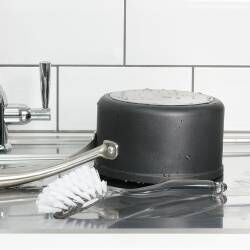
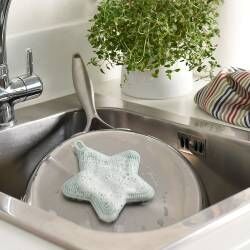
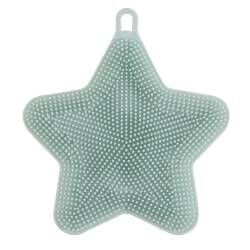
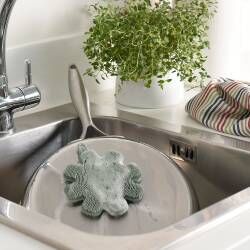
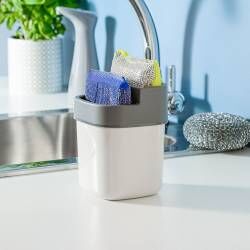
After every use, we recommend handwashing your pans with warm, soapy water and using a non-abrasive sponge or scrubber. Always rinse away all suds and dry immediately to reduce the chance of water marks and rust from appearing. You should do this after each use to keep your pans in the best shape.
Avoid scratching
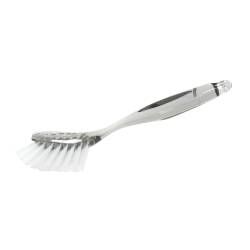
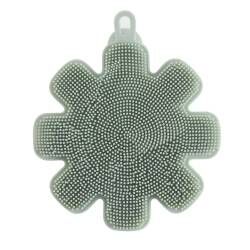
Avoid popping the pans in the dishwasher and using abrasive detergents and sponges as this can cause damage and scratching to the pan’s surface. Always use non-scratch scrubbers and soft cloths when cleaning your pots and pans, protecting the finish and keeping it shiny and new.
We also recommend using silicone, nylon or wooden kitchen utensils when cooking, especially when using non-stick, because metal utensils can scrape and remove the coating.
Removing stubborn stains
For burnt on food, we first recommend using hot water. This is very similar to deglazing, which is a cooking method that helps remove food stuck to the bottom of the pan to make gravies or sauces. Add hot water to the pan and very gently increase the temperature – this should help lift food from the bottom of the pan. Feel free to use a wooden spoon or silicone spatula to scrape at any burnt bits.
For more stubborn residue or discolouration from cooking, use a bicarbonate of soda and water mixture to make a paste. Apply this paste to the stained area and gently scrub with a non-scratch pad or scrubber until the stains have disappeared.
If there’s a rainbow tint from overheating, make a white vinegar solution (3 parts water to 1 part vinegar). Boil the water-vinegar solution for approximately 10 minutes, letting it sit for a few minutes afterwards before rinsing it clean.
Polishing stainless steel
If your pans have lost their shine, we recommend using a dedicated stainless steel cleaner or putting a small amount of white vinegar on a soft cloth and wiping with the grain to prevent streaking. Once polished, rinse with clean water and dry with a dry, soft cloth to prevent water spots and marks from appearing.


 Electricals
 Coffee
 Mixers and Blenders
 Kettles and Toasters
 Cooking
 Small Appliances
 Cookware & Bakeware
 Pots and Pans
 Cookware sets
 Speciality Cookware
 Baking
 Roasting
 Knives
 Knife Sets
 Single Knives
 Knife Accessories
 Tableware
 Single Items
 Dinner Sets
 Serveware
 Table Accessories
 Kids tableware
 Drinkware
 Hot Drinkware
 Cafetieres and Teapots
 Drink Accessories
 Accessories
 Kitchen Utensils
 Tools and Gadgets
 Storage
 Cleaning
 Offers
 Clearance
 Gifting
 Gift Cards