Added to Basket
Published 17/02/2026

How to cook with non-stick pans

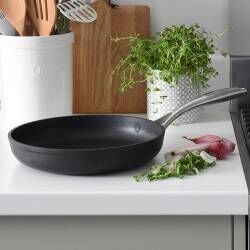
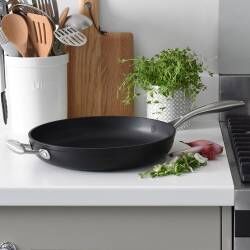
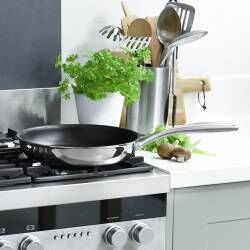
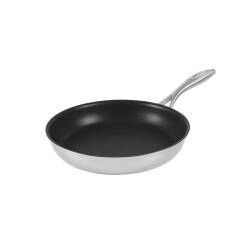
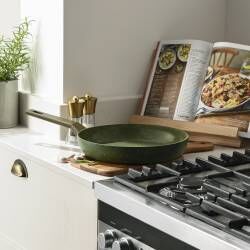
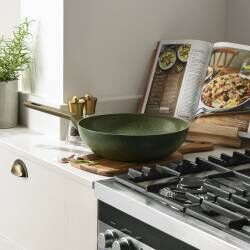
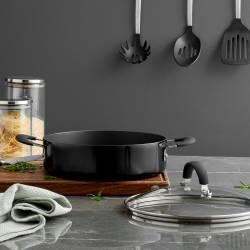
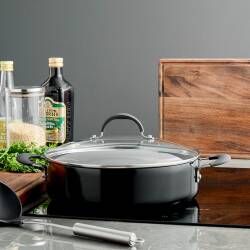
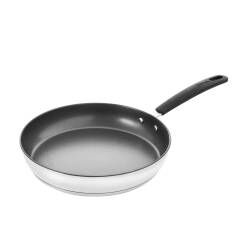
Non-stick pans bring effortless cooking to the hob with its easy food release and cleaning, and just like cast iron, carbon steel and uncoated pans, non-stick cookware deserves a spot in your kitchen too.

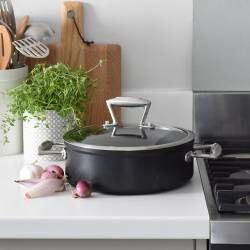
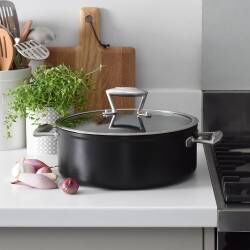
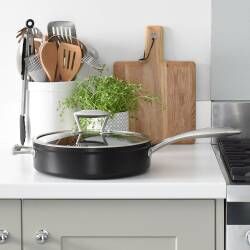
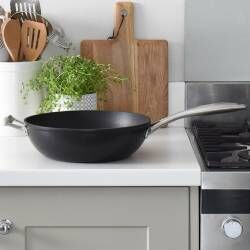
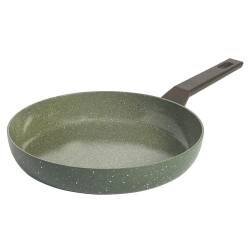
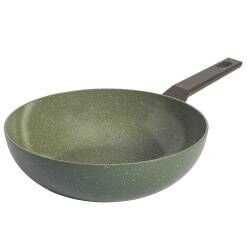
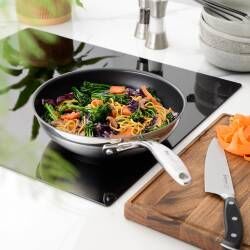
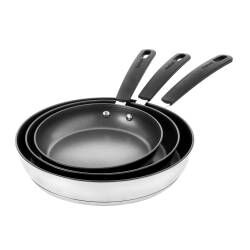
Our non-stick pans feature a ceramic coating that not only brings frictionless cooking to every dish, but when cared for properly, is long-lasting. While uncoated pans are best used for high-temperature cooking like sauteing, searing and frying, we recommend having at least one or two non-stick pans in your cupboard, so you can cook more delicate foods like eggs, fish and pancakes. Non-stick pans can also aid in healthier dishes, as they require less oil or fat when cooking.

We’ve created this handy guide detailing the very best cooking and care tips for your non-stick pans, so you can harness everything they have to offer.
Best food for non-stick pans

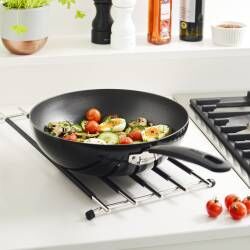
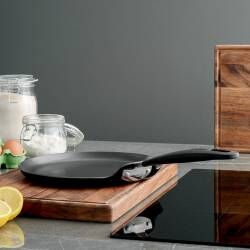
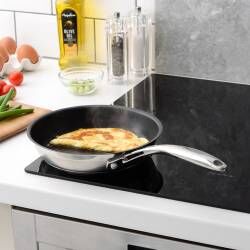
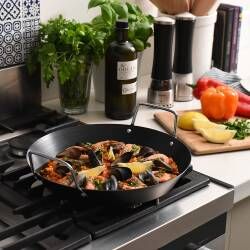
Like with uncoated pans, which excel at cooking over a high heat and are, therefore, fantastic at searing, sauteing and frying food, non-stick pans also have their own unique benefits in the kitchen. Because of their non-stick coating and need for a low-medium heat, non-stick pans are great for cooking delicate foods like eggs, pancakes, tofu and fish, as well as dishes like quesadillas and grilled cheese.
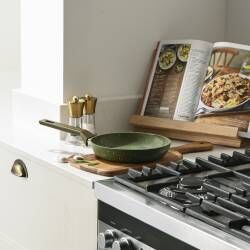
Non-stick pans also require minimal fat when cooking, meaning you can reduce your oil and butter intake when cooking “sticky” foods that need more fat for easy removal from the pan. This, in turn, aids in healthier dishes.

Tips for cooking with non-stick pans

To get the most out of your non-stick pans, we recommend following these following cooking tips:

  • Always cook over a low to medium heat and do not allow liquids to boil dry. By cooking over a lower heat, you’re preserving the pan’s non-stick coating as a too-high-heat can cause damage.

  • Do not use metal utensils on a non-stick surface as this can cause scratching, impacting the effectiveness of the non-stick coating. We recommend using plastic, silicone or wooden utensils instead.

  • Although oil is not always required, you may wish to cook with a small amount. If so, we recommend using oils with a high smoke point such as avocado, corn, canola or peanut oil. Never use cooking spray as this can burn onto and stick to the pan’s surface.

  • Avoid preheating the pan while empty. Although this is best practice when cooking with uncoated stainless steel, you should always preheat non-stick pans with a small amount of oil or fat.

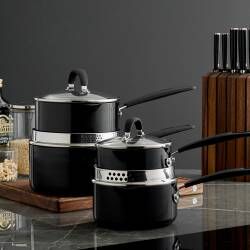
  • If stacking pans on top of each other when storing them, make sure to use Pan Protectors or hang your non-stick pans. This is to stop the bottom of the pans from scratching the non-stick coating.

  • Although our non-stick pans are dishwasher safe, we recommend washing by hand to extend the lifespan of the non-stick coating. This is because the high heat, harsh detergents and water pressure can cause damage by peeling, blistering and warping the pan’s coating.

Do I need to season non-stick pans?

Seasoning is not required with our ceramic non-stick pans because the pans are, as the name suggests, already non-stick. Simply remove all packaging and labelling, wash in hot water and dry thoroughly before first use.

How to re-season non-stick pans

Sometimes, non-stick pans may need re-seasoning if the coating has been cleaned with harsh soap or used over a high heat. We recommend the following steps to help restore the non-stick performance of your pans:

  1. Wash and dry the pan thoroughly.

  2. Using a paper towel, rub a small amount of high smoke point oils, like canola or avocado, over the pan’s entire cooking surface, including the sides.

  3. Gently heat the pan over a medium heat for 2-3 minutes, then allow it to cool.

Can you put non-stick pans in the dishwasher?

While our non-stick pans are dishwasher safe, we advise you to wash by hand. The harsh chemicals, high water pressure and heat from a dishwasher can cause the coating to blister and peel off, while potentially also causing warping of the pan’s base.

To maintain the pan’s longevity and performance, we suggest washing by hand and using gentle soap and a soft sponge – abrasive sponges or scrubbers can cause scratches on the non-stick coating. However, if the pan has easy-to-remove food residue, using a paper towel to wipe away any leftover oil can be enough to clean the pan’s surface.

For more information, read our guide on how to clean non-stick pans.

    Building a sustainable future

    B Corporation Certified

    ProCook is proud to be certified as a B Corp™, joining a select but growing group of companies committed to using business as a force for good.

    Learn more

    ProCook is honoured to be recognised as a Which? Recommended Provider for Furniture and Homewares. When you purchase from us, you can rest assured that you're getting a truly exceptional product that has been carefully crafted to meet your every need.

    Life's A Beach

    ProCook is dedicated to supporting our long-term charity partner's mission to inspire action to reduce single use plastics. Together, we're striving to make a positive impact on the environment and create a sustainable future.

    Learn more
    Live Chat