
 Electricals
 Coffee
 Mixers and Blenders
 Kettles and Toasters
 Cooking
 Small Appliances
 Cookware & Bakeware
 Pots and Pans
 Cookware sets
 Speciality Cookware
 Baking
 Roasting
 Knives
 Knife Sets
 Single Knives
 Knife Accessories
 Tableware
 Single Items
 Dinner Sets
 Serveware
 Table Accessories
 Kids tableware
 Drinkware
 Hot Drinkware
 Cafetieres and Teapots
 Drink Accessories
 Accessories
 Kitchen Utensils
 Tools and Gadgets
 Storage
 Cleaning
 Offers
 Clearance
 Gifting
 Gift Cards

Are you looking for help?
Shop by category


A well cared-for knife heightens safety by providing better control and precision, while also increasing the knife’s longevity. By keeping the blade sharp and free from corrosion, you benefit from impeccable performance and hygiene.
Proper storage and regular sharpening and cleaning are all key when maintaining your kitchen knives. Our guide explains how to care for your kitchen knives, so you can enjoy them for many years to come.

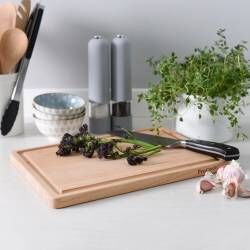
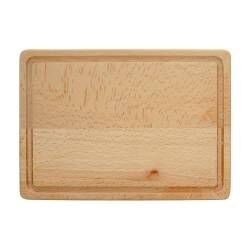
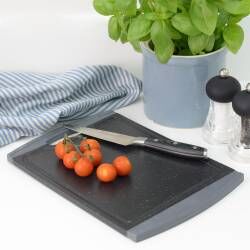
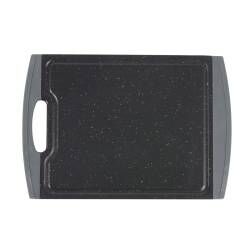
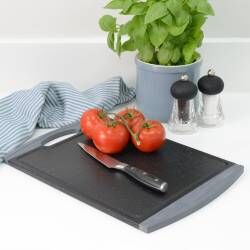
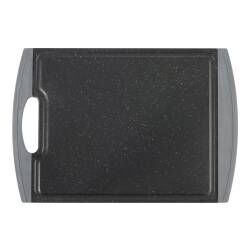
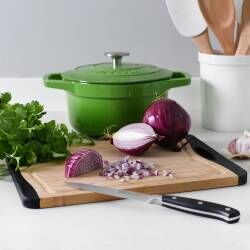
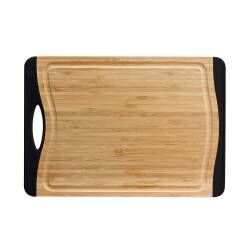
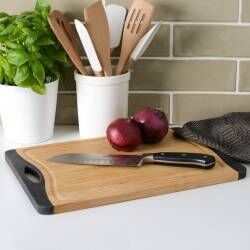
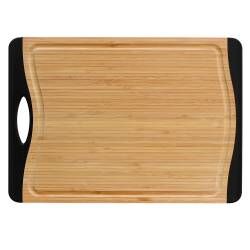
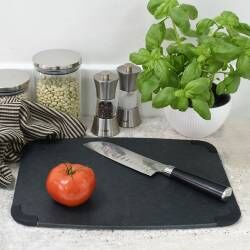
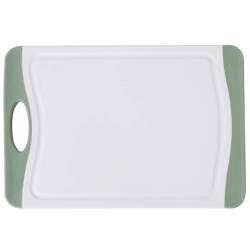
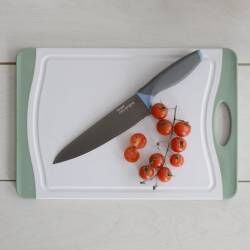
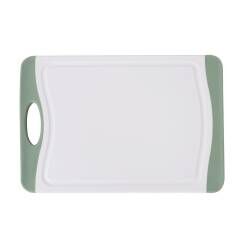
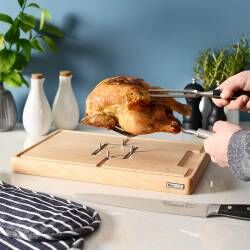
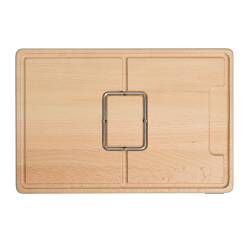
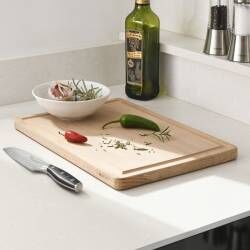
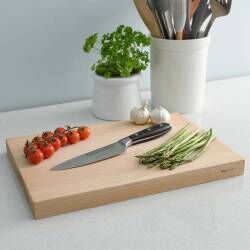
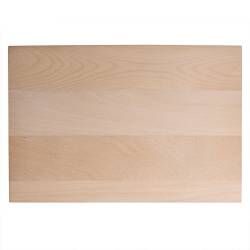
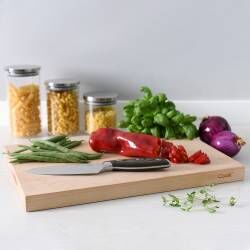
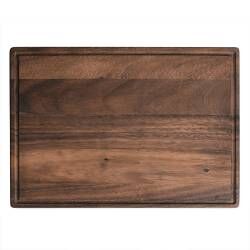
Using a plastic or wooden chopping board is best as it provides you with a hygienic surface to prepare your ingredients. Avoid glass or stone as this can chip and dullen the blade beyond repair.
The temptation to use a kitchen knife to open a box is great but avoid doing so as this can cause the blade to dullen very quickly. Only use your kitchen knives as intended – to cut up food!
Each knife has its own specific uses. For instance, a nakiri knife is a Japanese vegetable knife whereas a bread knife is for, well, cutting bread and other baked goods. Read our guide detailing the different types of kitchen knives and their unique uses.
Dishwashers are too abrasive and can damage your kitchen knives because of high-pressure water jets and strong detergents that cause corrosion and weaken handles.
We always recommend handwashing your kitchen knives to preserve the knife’s sharpness and appearance. Use warm, soapy water and a soft sponge when washing.

After you’ve washed your knife by hand, rinse away any soap and dry immediately. Leaving kitchen knives to air dry can cause rust to develop.
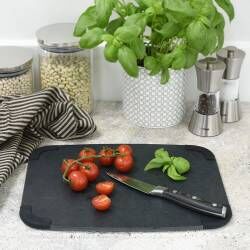
Acidic foods like tomatoes and citrus can react with the knife’s metal, causing corrosion and long-term damage. The best thing to do to avoid this is rinsing and drying the knife straight after using it to cut acidic foods.
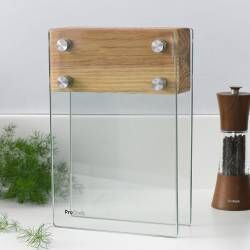
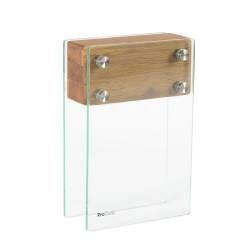
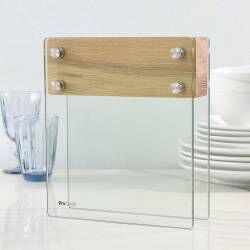
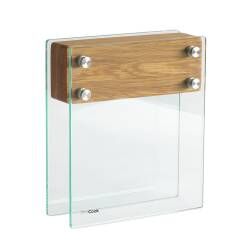
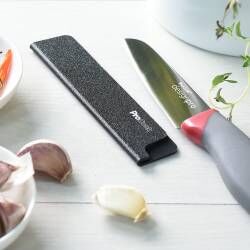
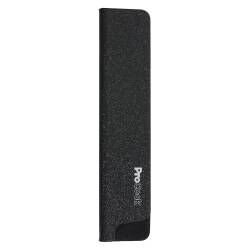
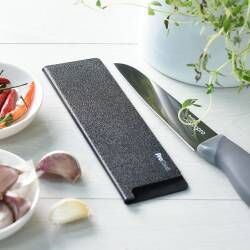
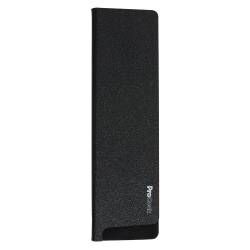
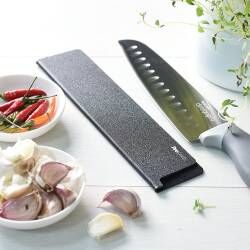
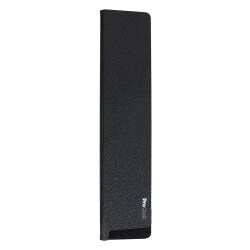
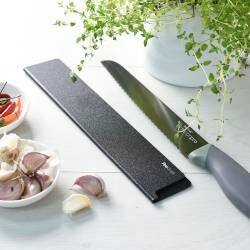
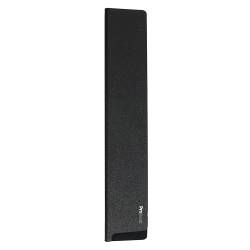
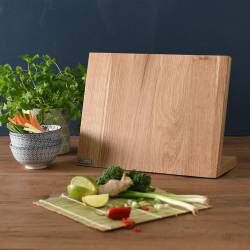
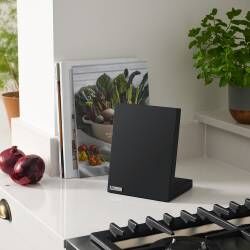
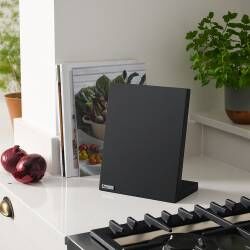
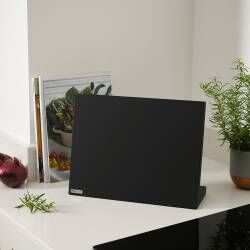
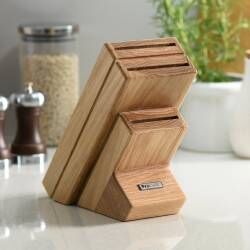
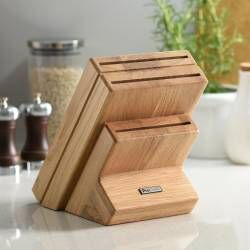
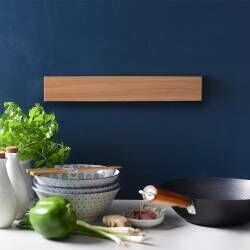
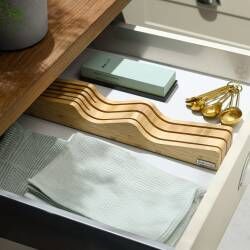
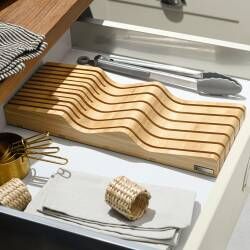
Proper knife storage not only reduces blunting and damage to the knife’s blade and handle, but it also improves safety in the kitchen. There are many knife storage options including a knife block, magnetic strip and wraps.
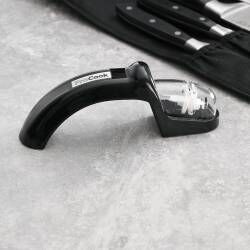
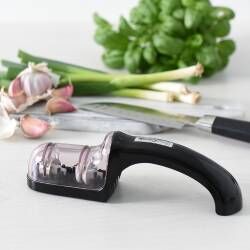
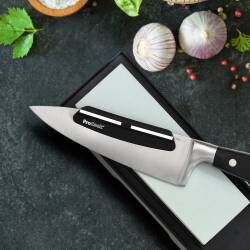
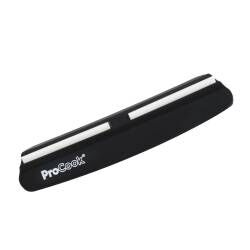
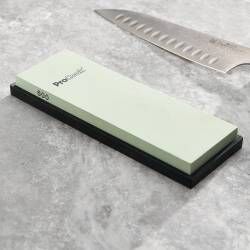
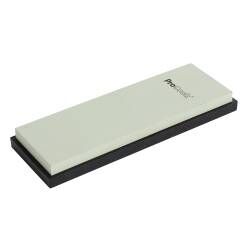
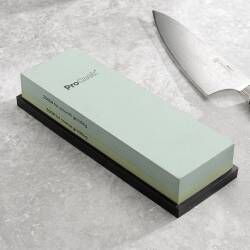
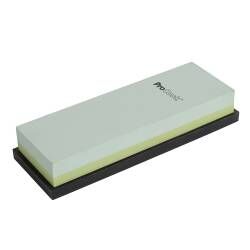
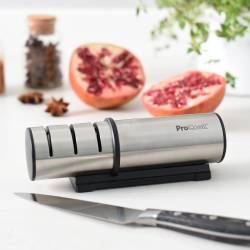
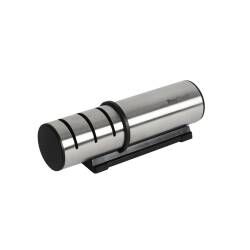
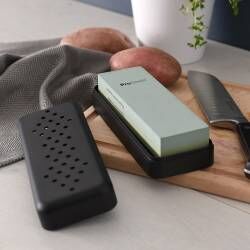
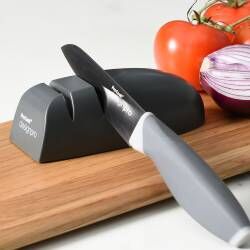
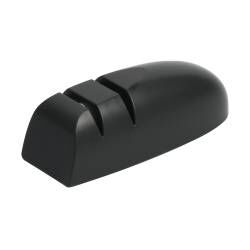
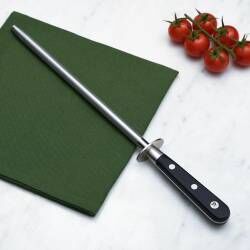
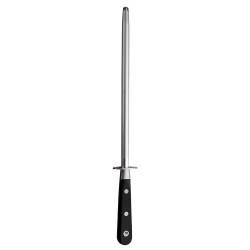
Check your knives for any damage or wear and sharpen and hone the blade regularly. We suggest using a whetstone for sharpening the blade, then using a honing steel to finish the job off. Check out our knife sharpening guide to step-by-step instructions and best practices when caring for your kitchen knives.

ProCook is proud to be certified as a B Corp™, joining a select but growing group of companies committed to using business as a force for good.
Learn moreProCook is honoured to be recognised as a Which? Recommended Provider for Furniture and Homewares. When you purchase from us, you can rest assured that you're getting a truly exceptional product that has been carefully crafted to meet your every need.

ProCook is dedicated to supporting our long-term charity partner's mission to inspire action to reduce single use plastics. Together, we're striving to make a positive impact on the environment and create a sustainable future.
Learn more