Added to Basket
Published 16/03/2026

How to clean and care for your cookware

How to clean a burnt pan is a commonly asked question, along with how to clean a cast iron skillet and more. While we understand accidents happen and sometimes food can become stuck to our pans or they start to discolour, trying to rectify these mistakes can be troublesome.

To ensure that you get the most of your pans, we’ve created this guide detailing the very best care tips for your cookware, so you can continue to cook with confidence for many years to come.
General pots and pans cleaning tips

While some materials and coatings may require specialised cleaning techniques, here are some general cleaning tips for your cookware.
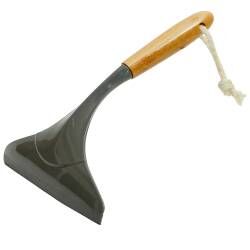
  • Handwash only: While some cookware brands may say that their pans are dishwasher safe, we always suggest handwashing instead. This is because the heat and power of a dishwasher can cause damage to a pan’s surface and exterior.
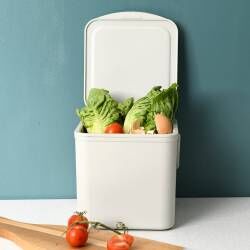
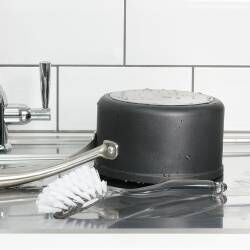
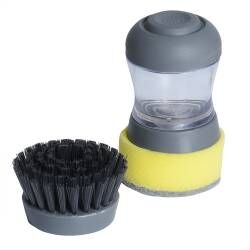
  • Avoid abrasive scrubbers: Harsh and abrasive sponges and scrubbers can cause damage to the pan’s interior and exterior, both cosmetically and practically. Use non-abrasive sponges or microfibre cloths to avoid damaging your cookware.

  • Deglazing is your go-to: A common cooking technique that helps make delicious sauces and gravies by removing burnt-on pieces of food. However, deglazing with a mixture of boiled water and vinegar is also a fantastic way to remove stubborn food pieces and residue.

  • Dry before storing: Once you’ve washed and cleans your pans, dry straight away to avoid rusting and the appearance of watermarks. Water spots are very visible on stainless steel cookware.

  • Follow proper cooking methods: Each pan material (e.g., stainless steel, non-stick coating, etc.) will have suggested cooking methods and it is essential that you follow them. By doing this, you reduce the risk of causing damage to the pan’s base and interior coating while also making them easier to clean and maintain.

    Cleaning non-stick pans

    Because of their special, non-stick coating, these pans can be extremely delicate. This means proper cooking and care is required to ensure the longevity of non-stick pans.

    Firstly, we always recommend waiting for the pans to cool down completely and handwashing to stop the risk of warping the metal. We also suggest cooking on a medium to low heat as a high heat can damage the coating, causing food to stick to the pans.

    For a more in-depth look at non-stick pans, read our guide on how to clean non-stick pans.

    Cleaning stainless steel pans

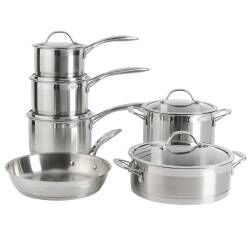
    Stainless steel pans have that sleek and shiny exterior and interior (unless they have a non-stick coating) we all know and love. However, keeping your stainless steel pans spotless can be difficult.

    As always, handwash is best. We also suggest drying straightaway to reduce the chances of water spots and streaks. Read our handy guide on how to clean stainless steel pans for more tips and guidance.

    Cleaning cast iron pans

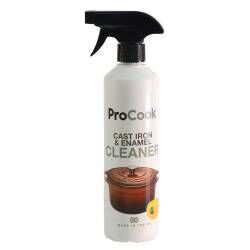
    Care is required when cleaning cast iron to prevent the removal of any non-stick coating that may have developed from seasoning your pans. As always, we recommend handwashing your cast iron as the dishwasher can remove any seasoning you’ve created and cause rusting.

    When the cast iron pan is completely cool to the touch, sometimes a simple wipe of the pan’s cooking surface is all that’s needed to remove any food residue and excess oil. However, if a deeper clean is required, then we recommend hot, soapy water and a soft sponge or scrubber that won’t leave abrasions.

    For more in-depth instructions, read our guide on how to clean a cast iron skillet.

    How to clean a burnt pan or pot

    Accidents happen and sometimes food can become burnt onto our pots and pans. Removing these burnt-on pieces of food can become troublesome, especially without causing damage to the pan’s non-stick coating or scratching the stainless steel interior.

    We recommend using the deglazing method to try and remove burnt-on food as this can carefully release the burnt bits from the pan’s surface. However, for more stubborn stains, you may need to make a paste of bicarbonate of soda and water. Check out our guide on how to clean a burnt pan for more information.

    How to store your pans properly

    Stacking your pots and pans is just as important as cooking and cleaning them. Improper stacking can cause scratches, damaging the interior of your pans – especially if they have a non-stick coating.

    There are numerous ways to store your pans, from hanging them off wall-mounted rails and stacking them in cabinets. If you’re doing the latter, use Pan Protectors which are specially designed to sit between your stacked pans, providing a protective barrier.

    For more tips on how to store your pans and get the most out of your kitchen, check out our guide on how to organise pots and pans in small kitchens.

    Building a sustainable future

    B Corporation Certified

    ProCook is proud to be certified as a B Corp™, joining a select but growing group of companies committed to using business as a force for good.

    Learn more

    ProCook is honoured to be recognised as a Which? Recommended Provider for Furniture and Homewares. When you purchase from us, you can rest assured that you're getting a truly exceptional product that has been carefully crafted to meet your every need.

    Life's A Beach

    ProCook is dedicated to supporting our long-term charity partner's mission to inspire action to reduce single use plastics. Together, we're striving to make a positive impact on the environment and create a sustainable future.

    Learn more