Added to Basket
Published 16/02/2026

How to season your pans

Seasoning an uncoated pan, especially cast iron and carbon steel, is crucial because it creates a non-stick coating for excellent food release and helps prevent rust. The process of seasoning is simple: you bake oil onto your pans, creating a non-stick surface that promotes easy food release.

If you’re unsure on how to season your pans, we’ve created this guide specially tailored to seasoning ProCook pans. For non-ProCook pans, always read their own tailored instructions on seasoning.

What does seasoning a pan mean?

Seasoning a pan simply refers to the process of baking a thin layer of oil onto an uncoated pan's surface to create a naturally non-stick coating, sometimes called a patina. Seasoning is required when the pan has no coating, like cast iron and carbon steel – non-stick cookware does not require seasoning. By seasoning your pans, you’re unlocking your cookware’s true potential.

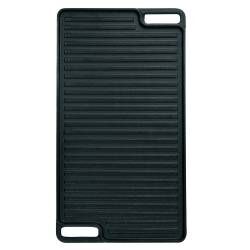
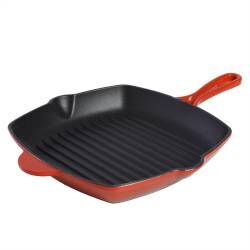
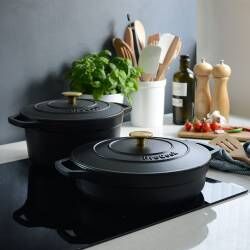
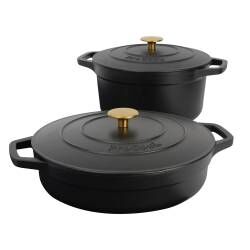
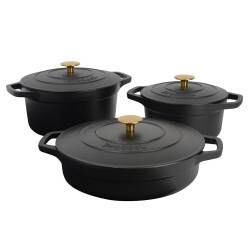
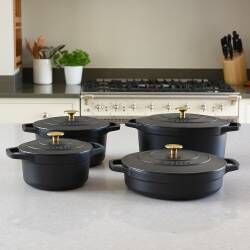
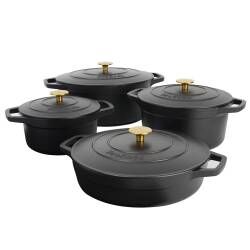
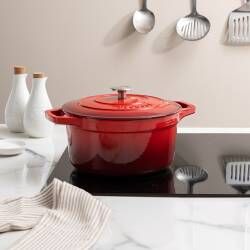
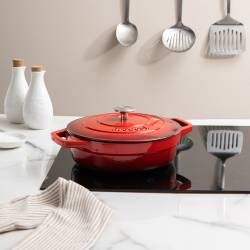
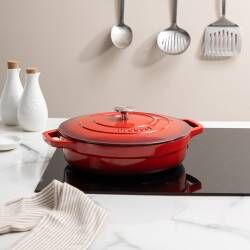
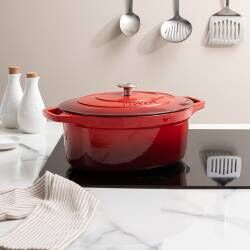
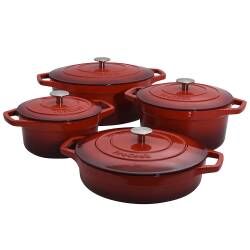
How to season cast iron

By seasoning cast iron, you’re creating a naturally non-stick, rust-resistant coating that’ll slowly become a deeper coloured patina the more times it’s used.

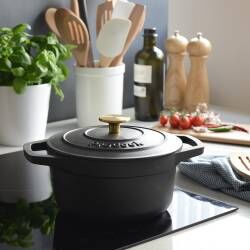
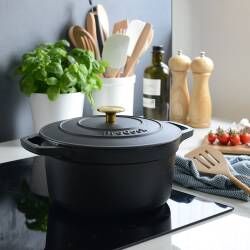
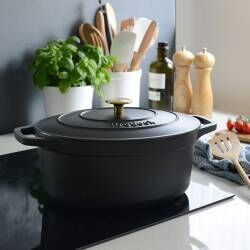
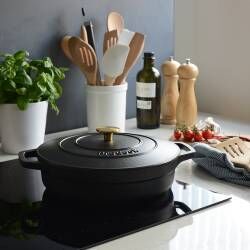
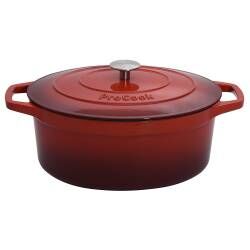
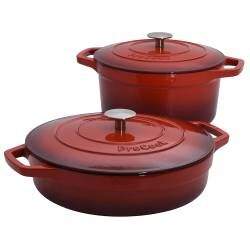
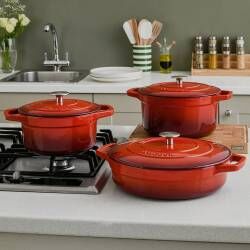
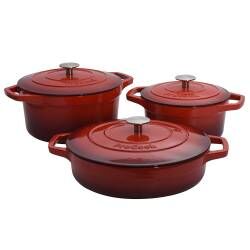
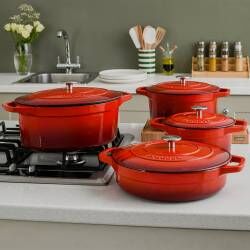
Here’s how to perform initial seasoning for your cast iron, including skillets, pans and casserole dishes.

  1. Remove packaging and labelling.

  2. Wash in hot, soapy water, rinse and dry thoroughly.

  3. Heat the pan over a medium-high heat until fully dry and warm.

  4. Add a small amount of high smoke point oil (e.g., sunflower, rapeseed, avocado) and spread it evenly over the pan’s entire surface area, including the sides.

  5. Place the pan upside down in a preheat oven (200-250C) for an hour.

  6. Leave the pan to cool in the oven.

  7. Remove the pan and repeat the process another 3-4 times.

Cast iron will continue to season with every use. When cooking with cast iron, preheat the pan before adding a splash of oil, then add the ingredients. This will keep the surface naturally non-stick. Over time, your cast iron will start to develop a dark patina – this is normal and desirable.

How to clean cast iron pans

Avoid using soap or abrasive cleaners as this can strip away the seasoning and patina, removing the non-stick coating. Instead, deglaze the pan by boiling water over a high heat and using a wooden utensil to remove any stuck-on bits of food. You can also use hot, soapy water and a soft sponge to remove any food.

Once cleaned, dry thoroughly to avoid rusting and lightly oil the pan’s surface to maintain the seasoning. Store in a dry place. Never place your cast iron in the dishwasher as this can strip away the seasoning. You can also read our guide on how to clean a cast iron skillet for further information.

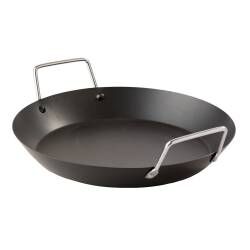
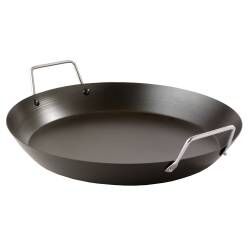
How to season carbon steel pans

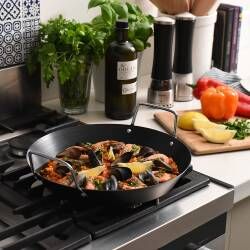
Carbon steel offers the heat retention associated with cast iron and the responsiveness and lightweight nature of stainless steel. Its high temperature cooking is great for stir-frying and sauteing.

Like cast iron, seasoning is required when cooking with carbon steel. This seasoning develops a patina that’ll create a non-stick cooking surface and add extra flavour to your dishes.

Here’s how to season your carbon steel pans:

  1. Remove all packaging and any labelling.

  2. Wash in hot, soapy water, rinse and dry thoroughly – this is to remove any factory residue.

  3. Heat the carbon steel pan over a medium-high heat and add a small amount of high smoke point oil (sunflower, avocado, rapeseed) once fully warm. Spread the oil evenly over the pan’s surface, including the sides.

  4. Let the pan heat up for 10 minutes or until the oil begins to smoke lightly – do not leave your pan unattended during this time. Once it starts to smoke, remove the pan from the heat and allow it to cool down completely.

  5. Pour away any remaining oil and wipe down the pan with a paper towel. Leave behind a very thin layer of oil.

  6. Heat the pan again for a further 2 minutes to set the seasoning. This pan is now seasoned and ready for use.

It’s important to remember that the look of your carbon steel pans will change over time. A dark patina will continue to form, changing from bronze to a deep brown/black. Add oil or fat every time you cook and it is important to note that you will need to re-season the pan every 1-2 months or 3-4 months if you don’t use the pans frequently.

How to clean carbon steel pans

When cleaning and washing carbon steel pans, it’s important not to strip away the non-stick coating that you have created. Instead of using soap and abrasive sponges, we recommend deglazing instead. To deglaze, boil water in the pan over a high heat and use a wooden spoon to loosen and remove any stuck-on food. Before storing, dry the pan thoroughly with a clean tea towel to avoid rusting. Always handwash your carbon steel pans and avoid placing them in the dishwasher as this can remove the non-stick coating.

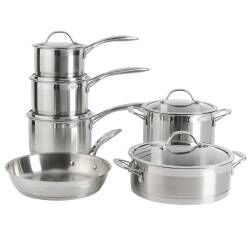
How to season a stainless steel pan

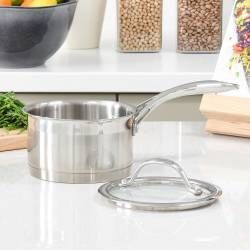
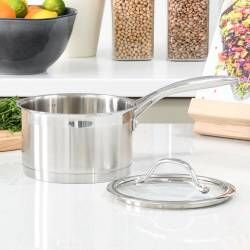
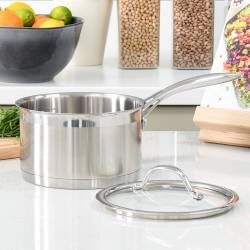
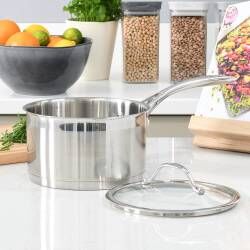
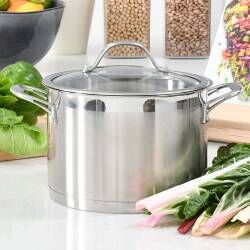
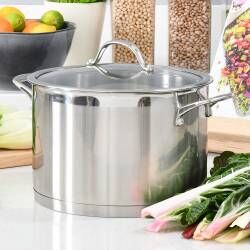
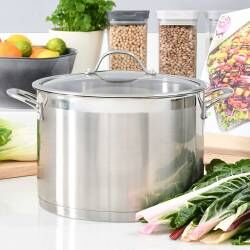
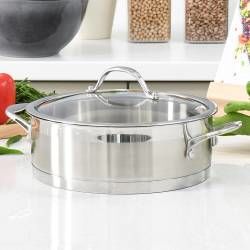
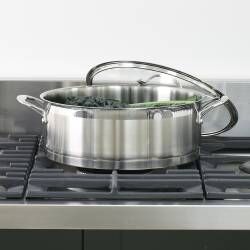
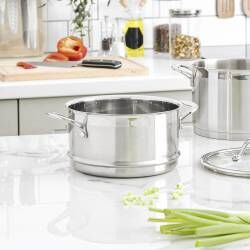
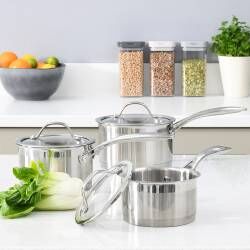
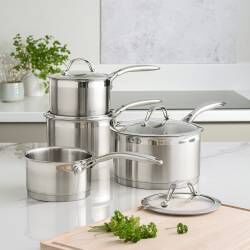
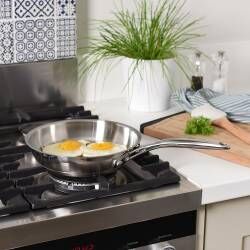
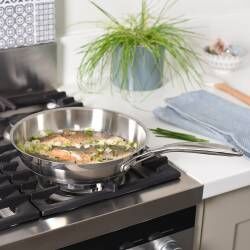
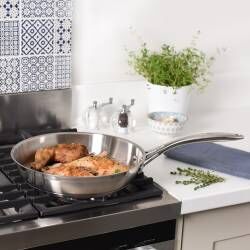
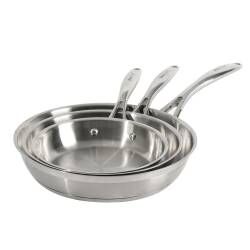
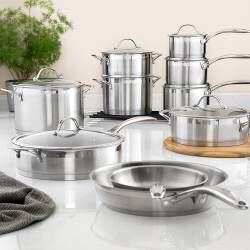
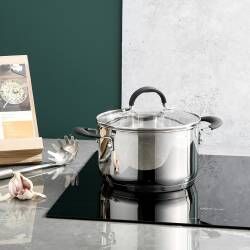
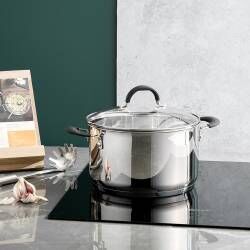
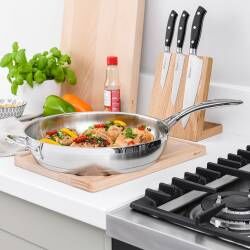
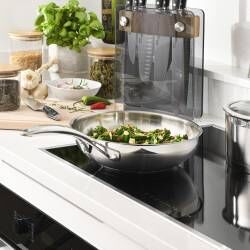
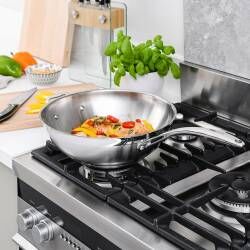
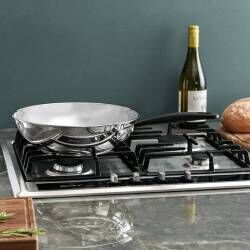
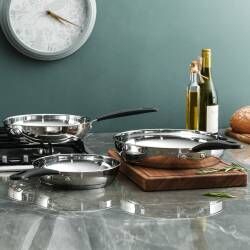
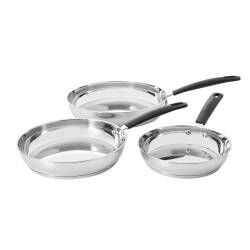
When cooking with our uncoated stainless steel cookware, it’s important to note that there is no non-stick coating. Therefore, different cooking methods are required when using uncoated stainless steel pans, and you may need to season them too. For more guidance on using stainless steel, read our guide on how to cook with stainless steel pans.
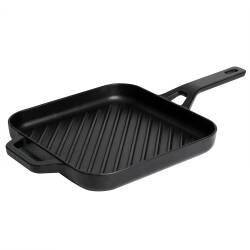
When seasoning our uncoated stainless steel pans, we recommend the following steps:

  1. Remove all packaging and labelling.

  2. Fill the pan with warm, soapy water and allow it to soak for a few hours – this helps loosen any residue without needing abrasive cleaners. After soaking, clean the pan with a soft sponge and dry thoroughly.

  3. Place your dry pan on a medium to high heat and add enough high smoke point oil like avocado, rapeseed, canola or corn to coat the bottom and sides of your pan.

  4. Leave to heat and after 5-6 minutes, you should start to see smoke rising from the pan. Never leave the pan unattended during this part.

  5. Turn off the heat and allow the oil to cool completely.

  6. Wipe away any excess oil from your pan – it is now fully seasoned and ready to use.

Remember that the look of your uncoated stainless steel will start to change the more times you use it. This discolouring is natural and shows a good, strong non-stick coating.

How to clean uncoated stainless steel pans

After each use, simply wipe down the pan with a slightly damp cloth and dry thoroughly. If the food starts to stick again, repeat the seasoning process to create a new non-stick coating. Always wash uncoated stainless steel pans by hand.

    Building a sustainable future

    B Corporation Certified

    ProCook is proud to be certified as a B Corp™, joining a select but growing group of companies committed to using business as a force for good.

    Learn more

    ProCook is honoured to be recognised as a Which? Recommended Provider for Furniture and Homewares. When you purchase from us, you can rest assured that you're getting a truly exceptional product that has been carefully crafted to meet your every need.

    Life's A Beach

    ProCook is dedicated to supporting our long-term charity partner's mission to inspire action to reduce single use plastics. Together, we're striving to make a positive impact on the environment and create a sustainable future.

    Learn more
    Live Chat